ELITIUM
Demo account: how to practise risk-free and prepare your first step on the real account
See how to make the most of the demo account to learn the terminal, test a plan and make mistakes at no cost before using real money.
By Emily Carter · Reviewed by Michael Turner
The demo account is the safest way to get to know a trading platform. It uses virtual balance, works with real quotes and reproduces the terminal you will use later. In this article, ELITIUM BROKER77 shows how to get the most out of this tool before risking real money.
What the demo account is
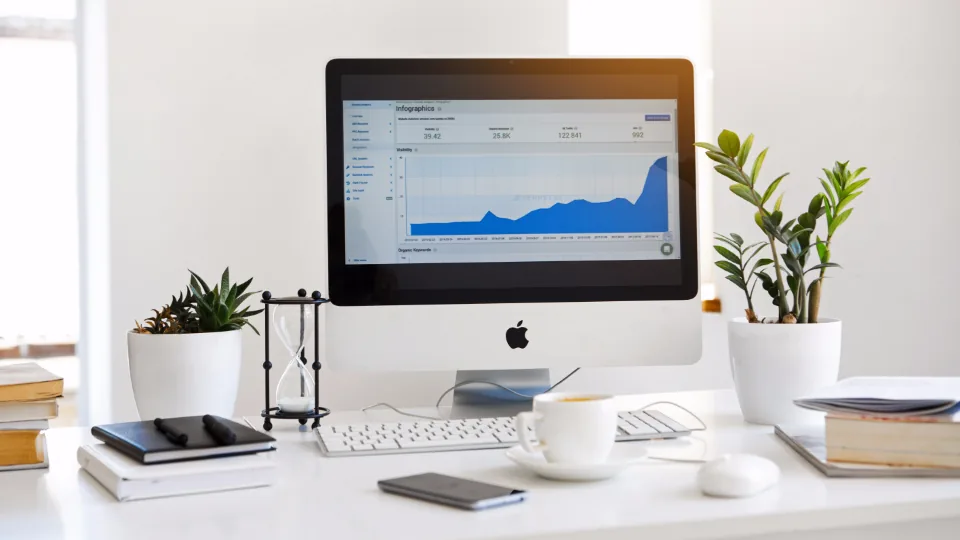
It is a practice account with fictional balance. You open trades, choose assets and times, and see the result as in a real trade. The difference is that none of your money is at stake. So mistakes only cost you learning.
Even so, take the practice seriously. Whoever treats the demo as a game builds bad habits, like huge entries and no limits. Later those habits move to the real account and cost dearly.
Why practise before using real money
The first reason is to learn the terminal. There are many buttons, expiry times and chart tools, and it is easy to click wrong when nervous. On the demo, you learn each feature calmly. You also find out how the payout varies between assets.
The second reason is to test a plan. You set the amount per entry, the daily limit and the trading hours. Then you check, over weeks, whether you can follow the rules. Only those who stick to the plan on the demo have a chance of sticking to it on the real account.
How to organise your practice on the demo account
Practice with no method yields little. Follow this simple routine:
- Pick two or three assets and follow only those.
- Always use the same amount per entry, close to what you will use on the real account.
- Set a daily loss limit and stop when you reach it.
- Record each trade in a journal, with the reason for the entry.
- Review the journal every week and adjust the plan.
Avoid topping up the virtual balance to "start over" after each loss. That trick hides the mistakes. If the balance runs out, analyse what happened before restarting.
Quick sign-up
Ready to trade? Create your account now
Sign up without leaving the article. Start with the demo account and make the 10 dollar minimum deposit only when you feel confident.
- Demo account with virtual balance
- Identity verification for your security
- Trading carries the risk of losing the amount invested
…
What virtual practice does not show
The demo has limits, and it is important to know them. Emotional pressure is different when the money is yours. Many people trade calmly on the demo and lose control on the real account. So do not conclude you are ready just because you had good results in practice.
Also, results on the demo account do not guarantee the same results on the real account. Market conditions change, and so does your reaction. Use the demo to learn the process, not to predict profits.
When to move from the demo to the real account
There is no magic deadline, but some signs help. You understand every feature of the terminal. You also follow your plan for several weeks in a row. In addition, you accept losing the amount of an entry without changing strategy. If those points are firm, the next step is reasonable.
When you open the real account, start small. The minimum deposit is 10 dollars, and the first goal is to keep discipline, not to win big. Also read the risk disclosure, because the risk of total loss on each entry remains.
How to open the demo account on ELITIUM BROKER77
To start, just sign up. After you get in, choose demo mode in the panel and open the terminal. The virtual balance appears ready to use. You can switch between demo and real whenever you like, as long as there are no open trades.
If you have questions about any feature, talk to the team through the contact channel. To learn more about financial education, the CVM investor portal offers free, independent material.
Conclusion: practise as if it were real
The demo account is an ally, but it only works if you use it with a method. Practise with realistic amounts, write everything down and respect your limits. When the plan is firm, move to the real account calmly. Remember that trading carries risk, and the best protection is to study first.
Sources and recommended reading
Independent websites to go deeper. They open in a new tab.
About the authors
Emily Carter
Financial Education Editor
Writes practical guides on platforms, sign-up, deposits and withdrawals for people starting to trade.
Michael Turner
Markets & Risk Editor
Covers chart reading, risk management and discipline, always focused on trading responsibly.
Comments0
- Be the first to comment.
Keep reading
 3 min read
October 12, 2026
Broker for beginners: what to look for before opening your first account
Know what to look for in a broker for beginners: demo account, low deposit, simple terminal, support and protection against scams.
By Michael Turner · Reviewed by Emily Carter
 4 min read
October 11, 2026
How to choose a reliable broker: 9 criteria to decide with confidence
Nine practical criteria to choose a broker with confidence: costs, withdrawals, verification, support, demo account and scam warning signs.
By Emily Carter · Reviewed by Michael Turner
 3 min read
October 10, 2026
Trader psychology: how to control emotions and keep discipline when trading
Learn how trader psychology shapes results and which habits help control fear, greed and impulsiveness.
By Michael Turner · Reviewed by Emily Carter